
“LOOKING FOR ANSWERS”
BLOG CARTIF
know us:
Recent posts
Content categories

Agrofood
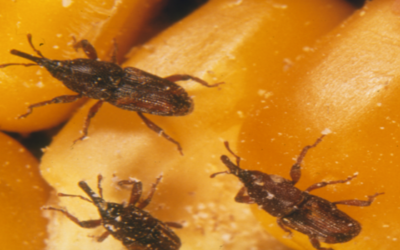
There’s a bug in my pantry!
Everybody has lived something like this. Open the pantry, take a packet of rice, flour or pasta and… insect! We find out that our foods are infected with bugs. Insect contamination of stored food is a very annoying and worrying problem for consumers and for food...

Food for sportspeople: special or common?
The newly closed Rio 2016 Olympic Games are still in our minds, means of communication and webs, and we are wondering some questions such as how the diet is for athletes? what kind of products they consume? Are they suitable for any athlete with less level? ...

Energy & Environment
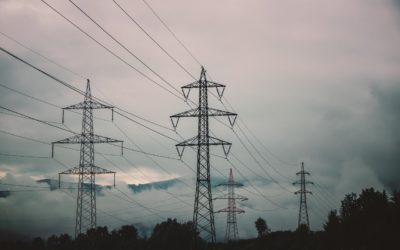
The future electricity grids would be more strong and efficient
The energy sector is undergoing a deep transformation to respond to the need to combat climate change and thus contribute to the sustainability of life onour planet. This is being articulated through the so-called "Energy Transition", which involves two big...
Industrial technology within reach of citizens: residential cogeneration
Do you know what cogeneration is? Cogeneration refers to the simultaneous production of electricity and heat, our two main basic energetic needs. The benefits of these technologies are multiple: It´ s 40% more efficient than producing electricity and heat...

Environment

Is our food security at risk?
Food security of two-thirds of the world s’ population depends on the availability and use of fertilizers. In the transition from a fossil reserve-based to a bio-based economy, it has become a critical challenge to close nutrient cycles and move to a more effective...

Your credit is about to expire: the Earth Overshoot Day
August 8, 2016. 07:00h a.m. Radio turned on driving to work. Headlines begin. "Today is Earth Overshoot Day", I hear. Oh. Bad news. The Earth Overshoot day in 2016 has been brought forward again. I'm sure you are wondering about some things right now:1) If I am able...

Industry
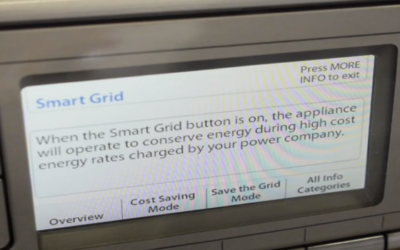
The Internet of Things and the electricity bill
Internet of Things (IoT) are becoming common. These are the objects that connect to Internet by themselves to carry out their duties with no human intervention. One possible application that can help us to save money and to reduce greenhouse gasses emissions is the...

Why is smart the Smart Grid?
It is not easy to find a definition for Smart Grid that summarizes every objective, topic and technology included under this concept. Searching and surfing the web, one can find long and detailed descriptions including many of the Smart Grids related topics, or other...

Health & Quality of life
No Results Found
The page you requested could not be found. Try refining your search, or use the navigation above to locate the post.
Construction and Heritage

Product reverse engineering applied to structural dynamics
In recent years, being the instrumental techniques cheaper and cheaper and the computational algorithms more accesible (even open source) several researchers and consultancy companies are developing new 3D abilities. Laser scanning or photogrammetry techniques are...
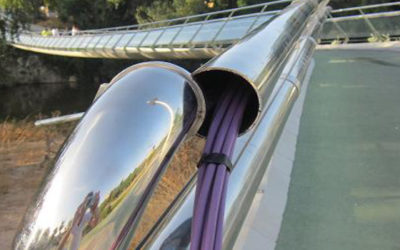
When structures age
How to reduce structural conservation task expenses by implementing monitoring systems? The structures are not everlasting. They are projected to play a role for a certain number of years. Thus, a wind turbine mast lifespan is about 20 years while in the case of a...

Digitalization
No Results Found
The page you requested could not be found. Try refining your search, or use the navigation above to locate the post.

Innovating R&D
No Results Found
The page you requested could not be found. Try refining your search, or use the navigation above to locate the post.