
“LOOKING FOR ANSWERS”
BLOG CARTIF
know us:
Recent posts
Content categories

Agrofood
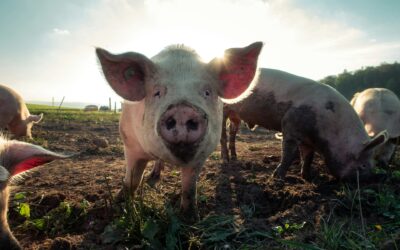
Of the pig, even its walk
When we see a pig, we all tend to think that every part of it can be used: its delicious hams, pork cracklings, chorizo, loins.....including, as the saying goes "even its walk". However, at CARTIF we know there ir more beyond that: a great variety of by-products and...
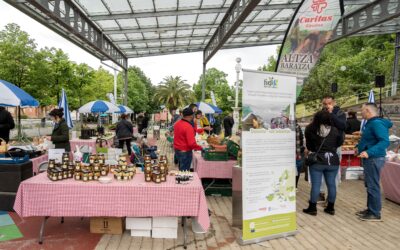
FUSILLI, much more than a project
Four years ago I first entered the complex world of the food system. I didn´t quite know what to expect. I considered it a far field, with technical terms and debates that seemed to belong only to experts in the field. Today, after all this time, every time I have the...

Energy & Environment

The 28A blackout and the lessons to be learned about the energy transition
In March 2024 I was at a conference on information technologies during which a person from REE stated that in the future we will not be able to take the security of electricity supply for granted. This person did not explain the reason for such a statement, but I do...
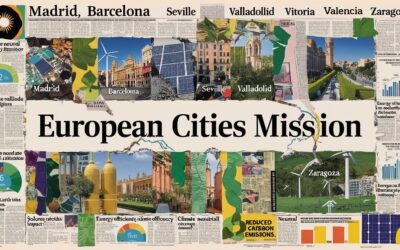
From ambition to action: the evolution of the European Cities Mission
In 2022, the European Commision launched one of its most ambitious initiatives: the Smart and Climate Neutral Cities Mission for 2030. In this mission, 112 cities were selected from among 377 candidates to lead the transition to climate neutrality and achieve it by...

Environment

Chemical recycling of textile waste: a new life for fiber blends
A growing problem: mountains of textile waste Clothing and textile consumption has increase with the expansion of so-called "fast fashion", giving rise to enromous amounts of waste. In Europe, the European Environment Agency (EEA)1 reports that each EU citizen...
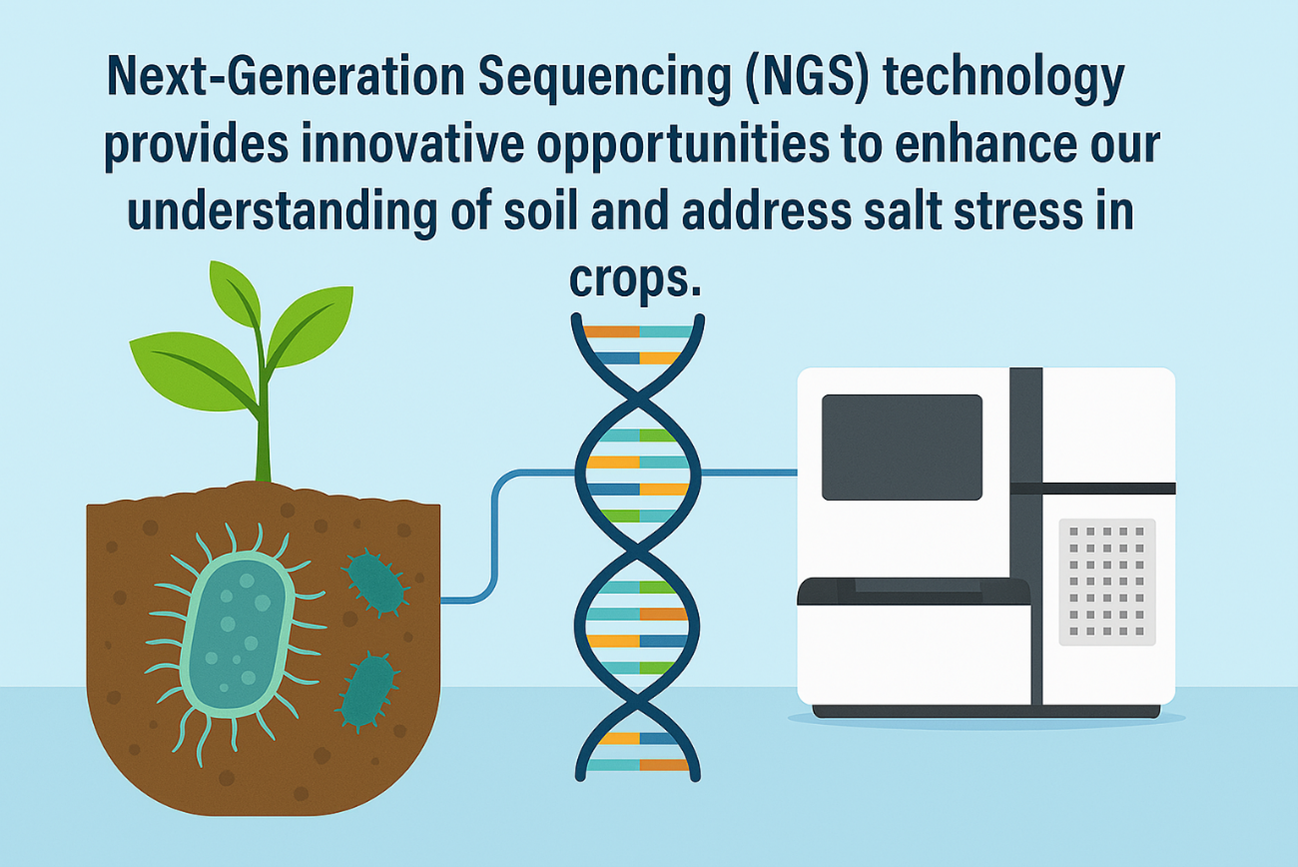
Invisible allies against salinity: microbiota and sequencing for resilient agriculture
In a situation where soil salinity poses a significant threat to global agricultural productivity, scientific research is increasingly focusing on the vital role of soil microorganisms. According to the Food and Agriculture Organization (FAO), soil salinity is a major...

Industry

A journey through production
Imagine if every product that reaches your hands could explain its story: where it comes from, what materials it was made with, what processes it went through, how its quality was guaranteed and under what conditions it was transported to its destination. We live in...

Interoperability in Industry 5.0: the Key Role of FIWARE
In the world of software development, interoperability is the ability of different devices, systems, and applications to work together in a coordinated manner, much like musicians in the Vienna Symphony Orchestra, regardless of their origin or technology. This concept...

Health & Quality of life

Are we talking properly about Artificial Intelligence?
What is generally understood by Artificial Intelligence - or AI?. It is a pervasive term nowadays, that appears not only in secluded and obscure academic circles hidden from the rest of society. Most of us have, to some degree, already heard the term. AI is not...

It´s my life and I want to keep deciding about it
Since the beginning of the times they exist few things that we know they are going to happen with totally security. The world is full of happenings and alleatory events very difficult to predict, even for our partner artificial intelligence, which often seems to be a...
Construction and Heritage

Preserving what we are: a new technical perspective on the maintenance of built heritage
Beneath the vaults of a Gothic church, within the thick walls of a Cistercian monastery, in the stucco of a Renaissance palace or the rammed earth and timber frames of a traditional house, a single truth emerges: built heritage is an essential part of our history and...
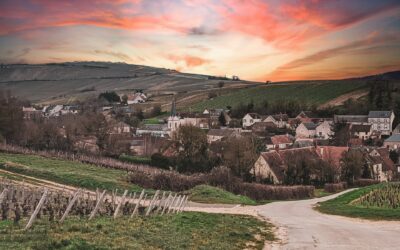
Why monitoring rural territories
Rural territories often struggle with challenges that can hold back their growth and development. Infrastructure gaps, limited job opportunities, environmental risks, and the need for greater social inclusion are just some of the issues they face. However, they now...

Digitalization
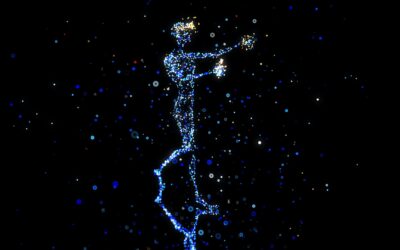
Robot training in virtual worlds?
Have you ever tried a car racing game? An F1 race, a rally, or if you`ve tried driving Assestto Corsa, maybe you know where I am going with this little reflection. If you have ever done so, you will have experienced a sense of "realism" of behaviour . In fact, if you...

Boosting innovation and digital sovereignty: the open source software Strategy of the European Commission
In a world increasingly dependent on technology, the European Union has been embracing a focus on driving innovation, ensuring cyber security and strengthening its digital sovereignty. At the heart of this strategy is a commitment to open source software which is...

Innovating R&D

Skylines and roots: Dubai and its innovation strategy
Talking about Dubai means revisiting the Innovating R&D posts on the CARTIF blog. It means discussing the characteristics of ecosystems that foster resilience and help avoid “lotus flower” scenarios. It means reflecting on the essence and purpose that keep us in...
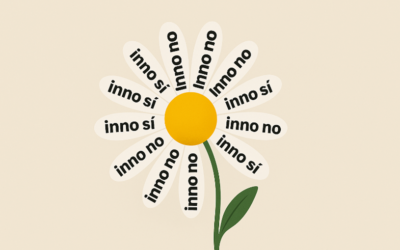
Innovate shouldn´t be like untangling a daisy
When an organisation decides to invest in innovation, it often activates not only a technical or strategic process, but also an internal dynamic that complicates decision-making. What at first appears to be a clear commitment soon becomes a chain of uncertainties,...